By Teresa Cowart Team
Savannah buyers fall in love with character, from heart pine floors and tall windows to shady porches beneath live oaks. Smart staging helps your home show that charm clearly while handling Lowcountry realities such as humidity, storms, and historic district rules. This guide shares home staging secrets that help Savannah homes sell like a pro.
Key Takeaways
- Decluttering and lighting let Savannah's original details, such as heart pine floors, mantels, crown moldings, and tall windows, take center stage.
- Porches, courtyards, and gardens are outdoor rooms in the Lowcountry, so style them like living spaces with quality furniture, linens, plants, and lighting.
- Humidity control, fresh air, clean finishes, and storm readiness help a home look and feel cared for, and they reduce buyer concerns during inspections.
- Exterior changes visible from the street in the historic district typically require review, so confirm rules before painting or altering anything outside.
Declutter and Let the Architecture Speak
In Savannah, original is a luxury. Staging should showcase it rather than compete with it.
Showcase Savannah Character
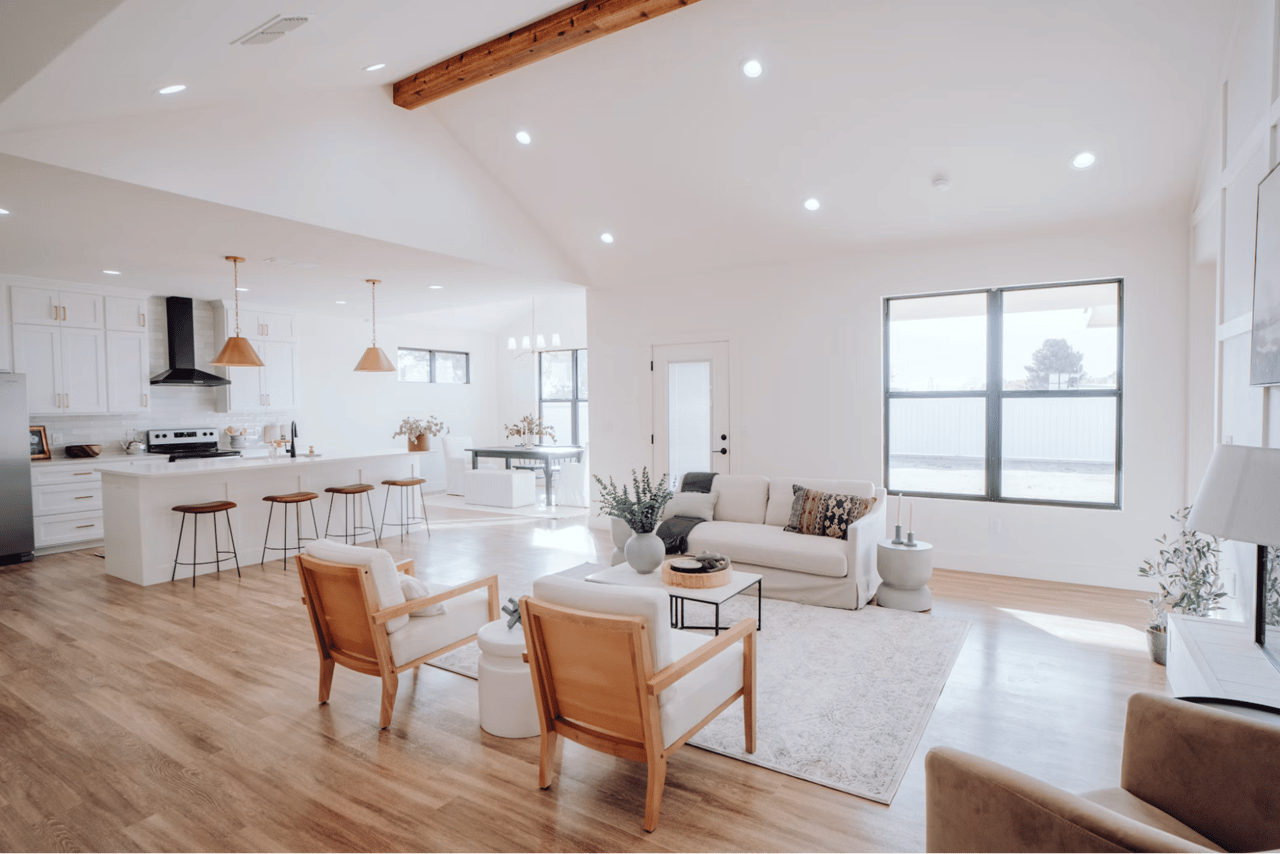
- Clear mantels, shelves, and floors, and highlight crown moldings, ceiling medallions, transom windows, original doors, and heart pine floors with good lighting so buyers notice every detail.
- Edit furniture so rooms feel open, choose pieces scaled to high ceilings and tall windows, and use rugs to define spaces and protect floors while letting the wood show.
- Open blinds and simplify heavy drapery so natural light fills the room, and polish or refinish worn floors when possible to bring out their warmth and age.
- Depersonalize by packing away family photos and collections, avoid overly themed decor, and aim for a New Classic look that blends historic bones with clean lines and contemporary art.
Let the architecture do the talking, and your staging simply supports it.
Style Porches, Courtyards, and Gardens
In the Lowcountry, life happens outside. Buyers want to picture themselves on the porch with a cool drink.
Outdoor Rooms That Sell
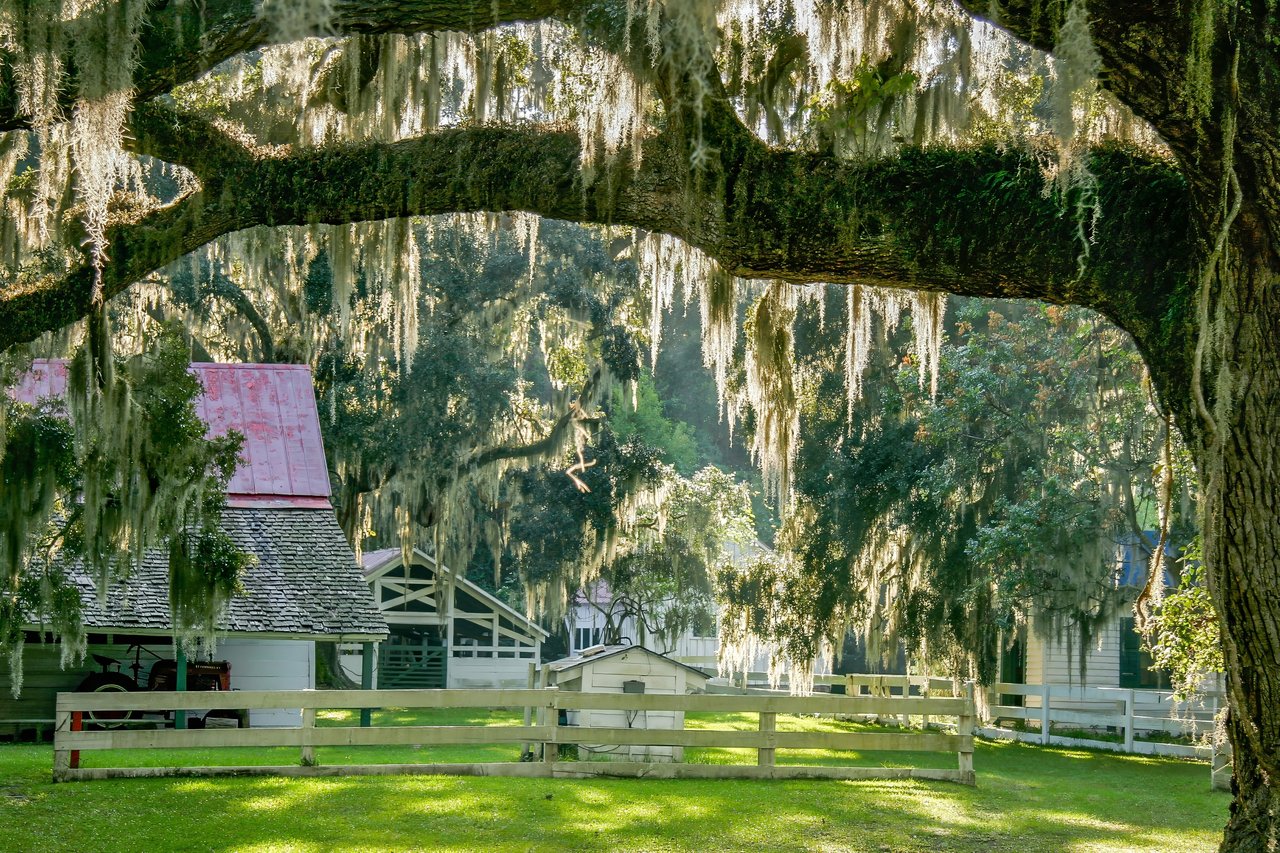
- Style porches and verandas like living rooms with comfortable seating, crisp outdoor linens, ceiling fans, and soft lighting, and consider a haint blue porch ceiling for a Lowcountry touch.
- Turn courtyards and patios into evening destinations with quality furniture, planters, string lights, and a small dining or fire pit area, and keep gardens tidy and lush.
- Pressure wash siding and walkways, repair rotted porch boards, touch up peeling paint, and trim live oak canopies so the home feels shady and cared for.
- In the historic district, visible exterior changes, including paint colors, may require a Certificate of Appropriateness, so check before you begin.
A porch or courtyard that invites you to sit awhile can become the emotional anchor of a sale.
Control Humidity, Light, and Condition
Savannah's coastal climate rewards sellers who stay ahead of moisture and maintenance. A fresh, dry, comfortable home inspires confidence.
Climate-Smart Staging Steps
- Run air conditioning and dehumidifiers before showings, service HVAC systems, and eliminate musty odors, since humidity can create crawl-space moisture, condensation, and smells that buyers and inspectors notice.
- Fix leaks, caulk gaps, repair rot, and refresh paint around windows, doors, and trim, because visible maintenance matters more than decor in a humid climate.
- Use layered lighting, clean windows, mirrors, and light, airy colors to brighten interiors, and keep scents subtle so rooms feel fresh without hiding problems.
- Show storm readiness by organizing information on roof age, shutters or impact windows, generators, drainage, and flood zone, since coastal buyers think about hurricane season.
A dry, bright, well-maintained home feels move-in ready before buyers open a single closet.
Stage for Your Buyer and Tell the Story
Savannah draws many kinds of buyers, from downtown history lovers to island families. Staging and storytelling should speak to the right audience.
Finishing Touches and Documentation
- Prioritize the living room, primary bedroom, dining room, and kitchen, using neutral palettes with touches of coastal or historic character, and avoid overly themed decor that feels artificial.
- Hire a photographer experienced with historic homes, and capture rooms with natural light, plus porches, courtyards, ironwork, and streetscapes that show the setting.
- Document stewardship by listing restorations and updates such as refinished floors, restored windows, new HVAC, roof work, and permits, which builds trust and reduces buyer uncertainty.
- Be ready to explain neighborhood benefits, whether downtown walkability, Ardsley Park and Midtown charm, island living, or newer communities, and clarify any short-term rental rules, which vary by area.
A well-told story helps buyers see not just a house but a life.
FAQs
What are the best home staging secrets for Savannah?
Showcase original architecture, style porches and courtyards, control humidity, document restorations, and keep decor simple and classic.
Can I repaint a historic district home before listing?
Visible exterior color changes may require a Certificate of Appropriateness, so check with preservation staff before painting.
Does humidity affect staging in Savannah?
Yes, moisture, odors, and deferred maintenance can undermine staging, so control humidity and repair visible issues first.
Sell Your Savannah Home With Teresa Cowart Team
We are your expert real estate advisors, and we look forward to providing you with current housing information, along with advice and education, whether you are buying, selling, or need property management. Teresa Cowart Team is comprised of local real estate professionals committed to selling some of the most desired homes in the Savannah area. With more than 100 communities, Savannah offers an endless variety of housing styles, from traditional, coastal, modern, and historic to Victorian and new construction. Whatever your home's style, we can help you stage, market, and sell it with confidence.